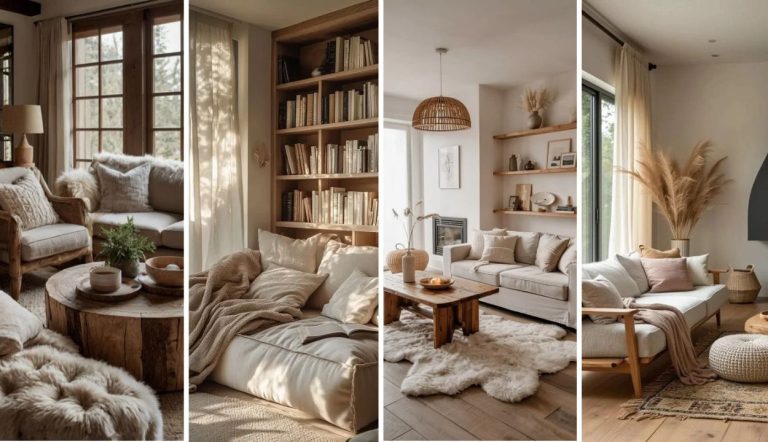
30 Broken Plan Living Room Ideas
A broken plan living room balances openness and definition giving a home a feeling while keeping every area connected. Than solid walls a broken plan living room uses furniture, half‑height partitions, lighting, flooring and careful placement to make subtle zones.
From a seating corner, to a stylish dining transition each area can have a clear purpose and still feel linked. A careful color palette can separate spaces without breaking flow. Built‑in storage and statement pieces give structure while leaving paths open and useful.
Whether a style is modern, rustic, minimalist or warm and eclectic a broken plan living room can be shaped in ways. Explore 30 ideas to make a living room that feels open organized, inviting and effortlessly connected.
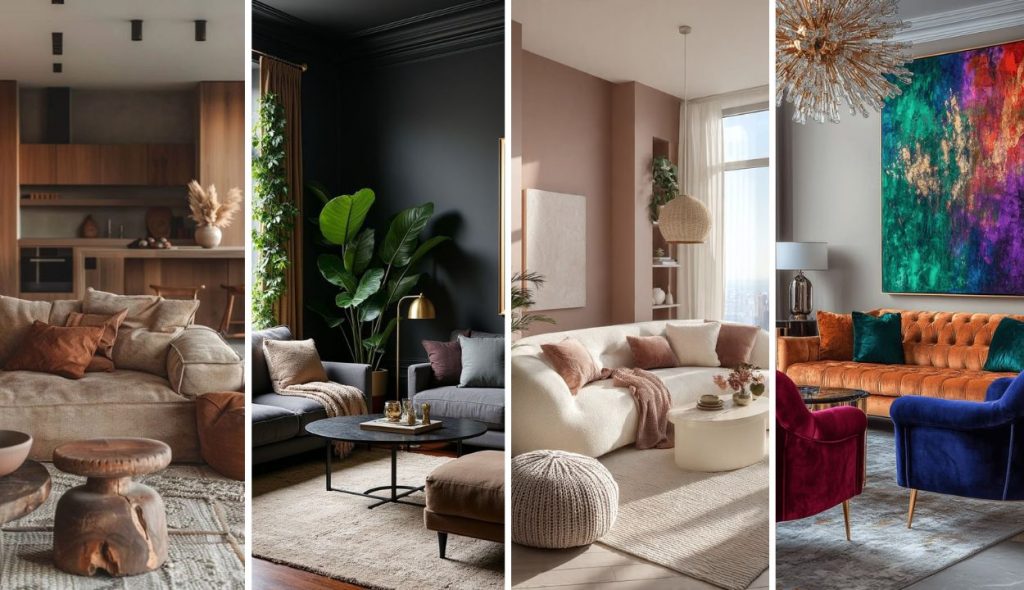
30 Broken Plan Living Room Ideas Variations
1. Open-Flow Scandinavian Haven
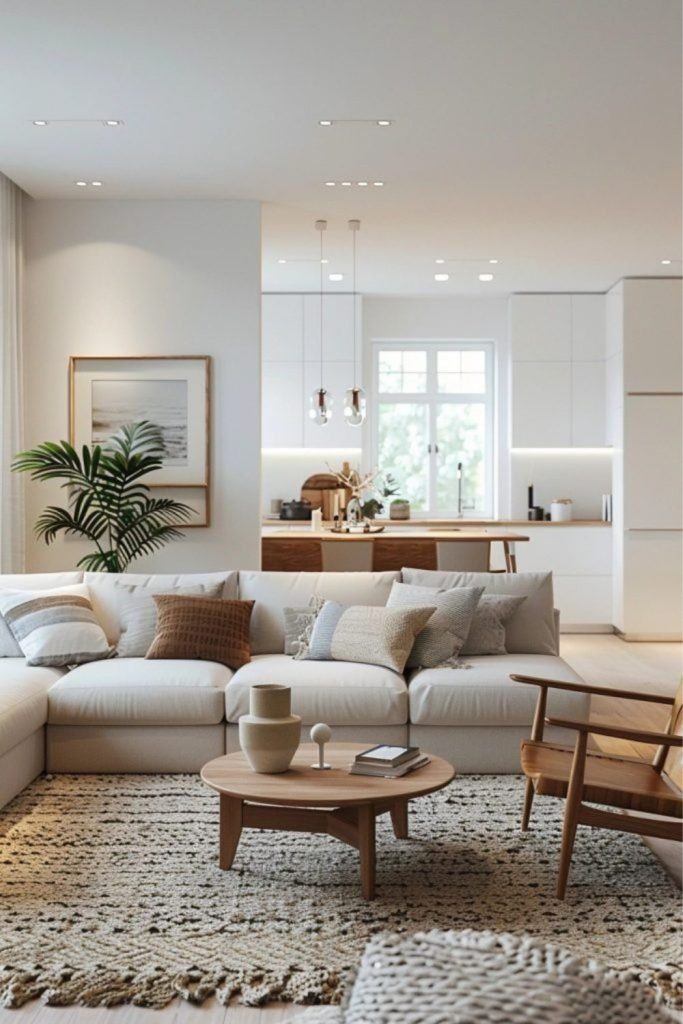
A Scandinavian broken plan living room feels airy, calm and effortlessly connected. Soft timber finishes introduce warmth while pale upholstery keeps visual weight beautifully restrained.
A low-profile sofa can quietly define one lounge zone without blocking nearby circulation. Open shelving or a slim console creates subtle separation between adjoining spaces.
Layered rugs add cozy definition while preserving an uninterrupted sense of movement. Finish with ceramic accents and greenery for a relaxed Nordic atmosphere.
2. Modern Timber Divide
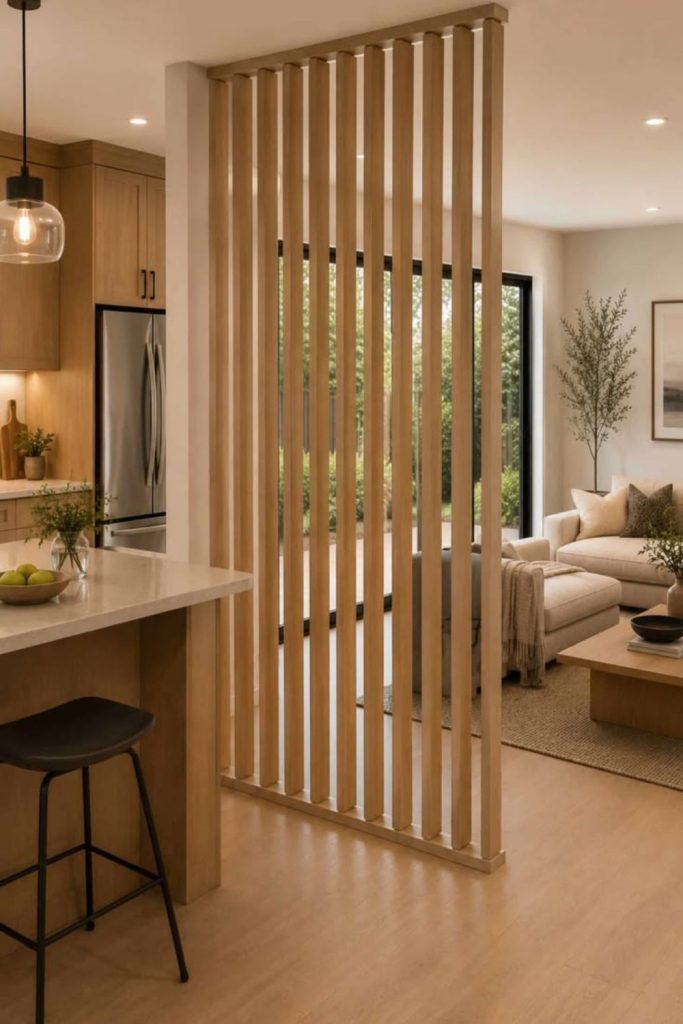
Warm timber elements can cleverly distinguish a living zone within a broken plan layout. Vertical slats create partial screening without making adjoining areas feel boxed in.
Pair natural oak with creamy seating for a polished yet welcoming composition. A sculptural coffee table provides an anchor within an otherwise flowing arrangement.
Keep surrounding furniture relatively low for stronger sightlines across connected spaces. Soft pendant lighting can further emphasize this handsome architectural transition.
3. Japandi Pocket Lounge
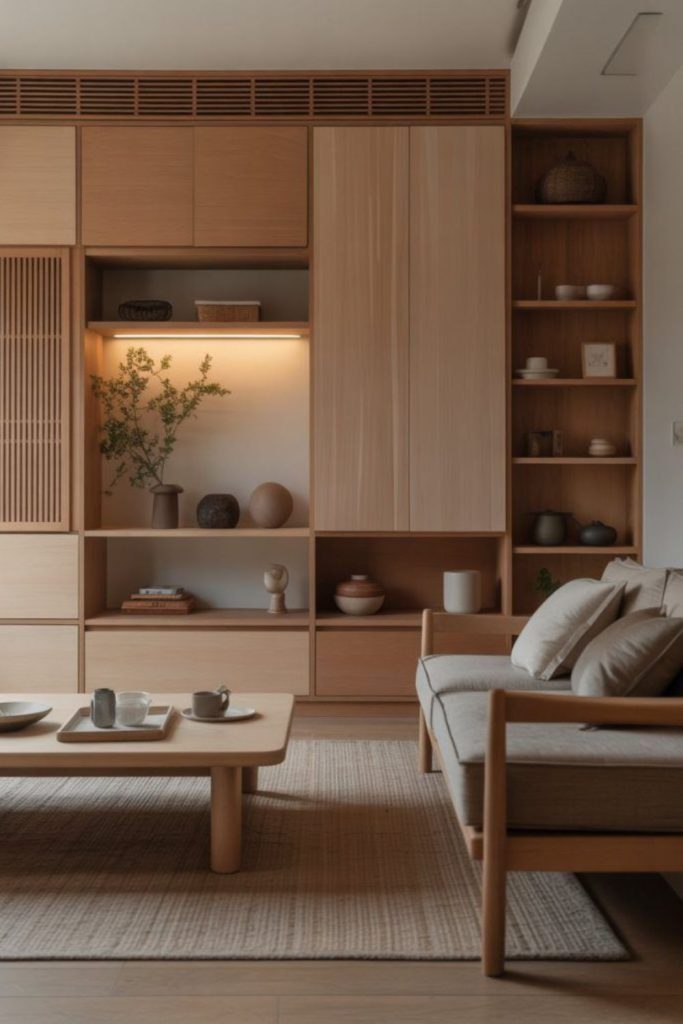
Japandi styling suits broken plan rooms through restraint, texture and thoughtful zoning. Choose a muted palette featuring sand, taupe, warm gray and gentle charcoal accents.
A compact linen sofa establishes a comfortable lounge without overwhelming nearby zones. Ribbed wood panels can offer privacy while retaining glimpses across adjoining areas.
Organic ceramics and woven accessories bring quiet character into this uncluttered setting. Every piece should feel intentional rather than merely decorative.
4. Elegant Glass-Partition Lounge
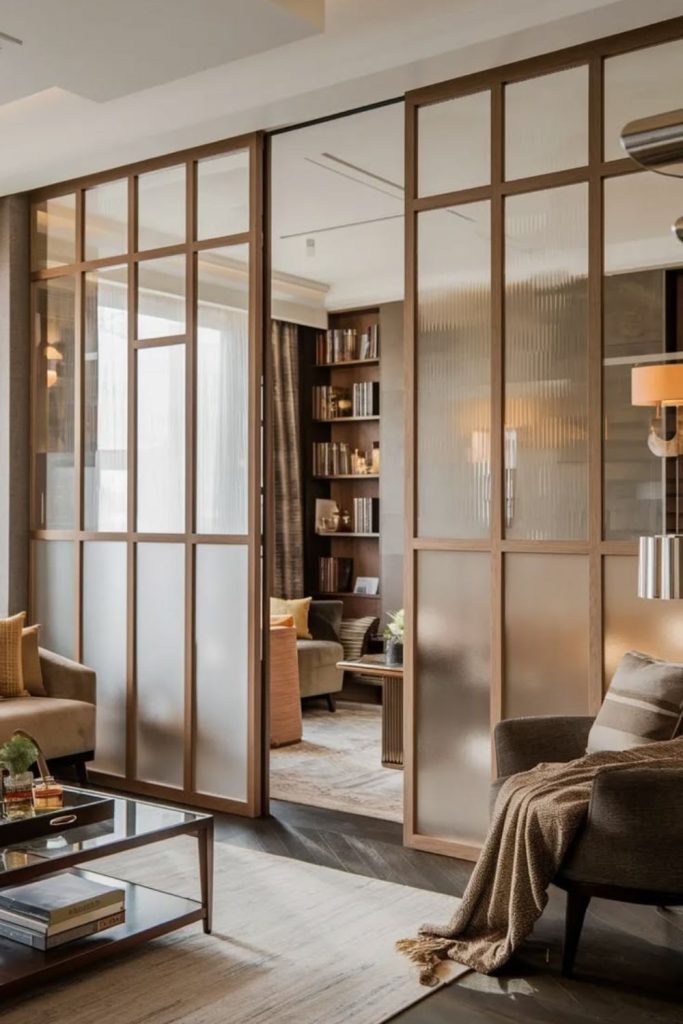
Fluted glass provides a sophisticated way to divide a broken plan living room. Transparency keeps daylight moving freely while textured surfaces introduce a little privacy.
Frame glass panels with dark metal for a crisp contemporary architectural statement. Inside, plush seating and a rounded rug create a distinctly comfortable retreat.
Brass lighting adds subtle glamour without competing against dramatic partition detailing. This approach works especially well within larger multifunctional interiors.
5. Warm Earth-Tone Retreat
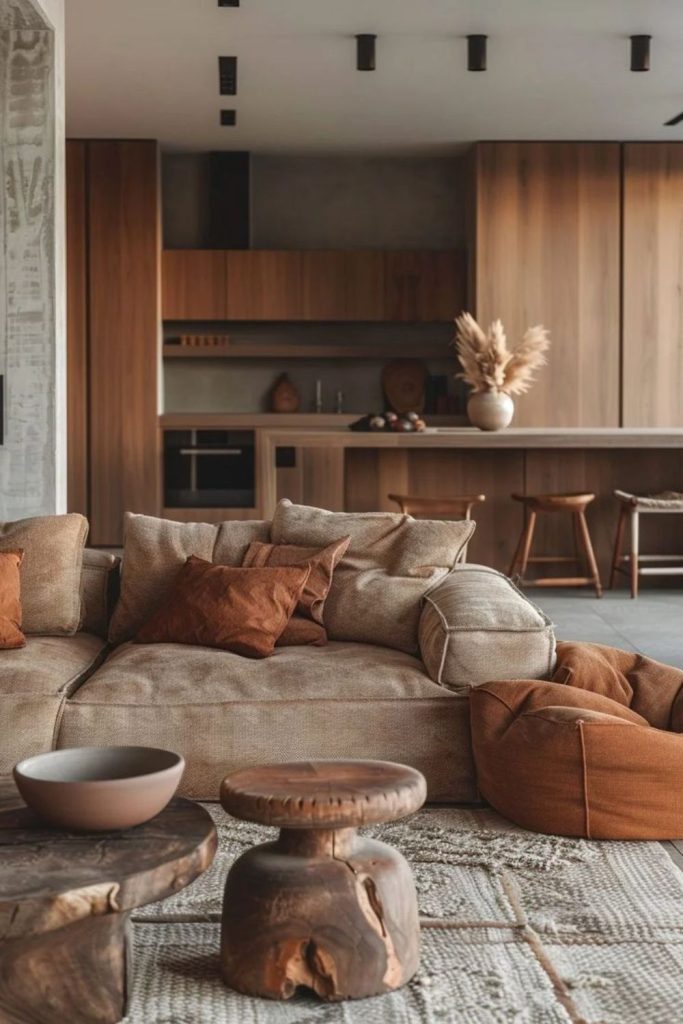
Earthy shades can make an expansive broken plan arrangement feel grounded and intimate. Terracotta, olive, clay and warm beige create a naturally layered palette.
Position a deep sofa toward a rug-defined lounge area for stronger visual boundaries. Nearby timber furniture connects living spaces without relying upon solid walls.
Textured cushions and woven baskets introduce softness throughout this earthy scheme. A few oversized plants can beautifully reinforce its organic character.
6. Contemporary Sunken Lounge
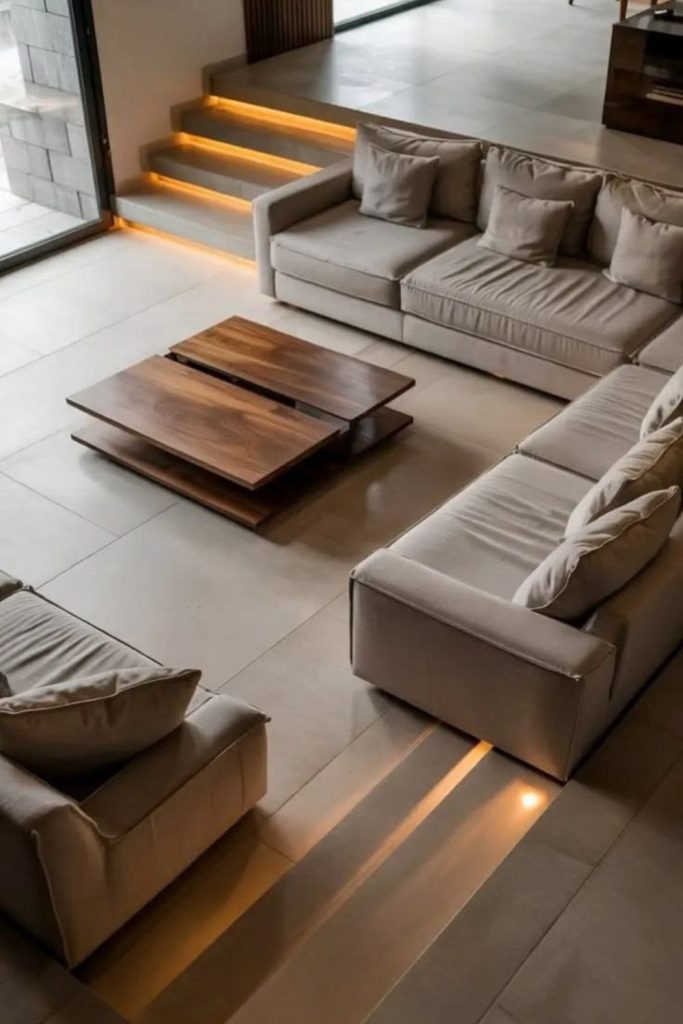
A slightly lowered seating area creates architectural distinction within an open broken plan room. Even a modest level change can make a lounge feel like a separate destination.
Use broad steps with timber or stone edging for a refined transition. A generous sectional works nicely within this recessed arrangement.
Keep surrounding furnishings streamlined so architectural drama remains prominent. Recessed lighting adds depth during evening hours while preserving visual calm.
7. Curved Furniture Sanctuary
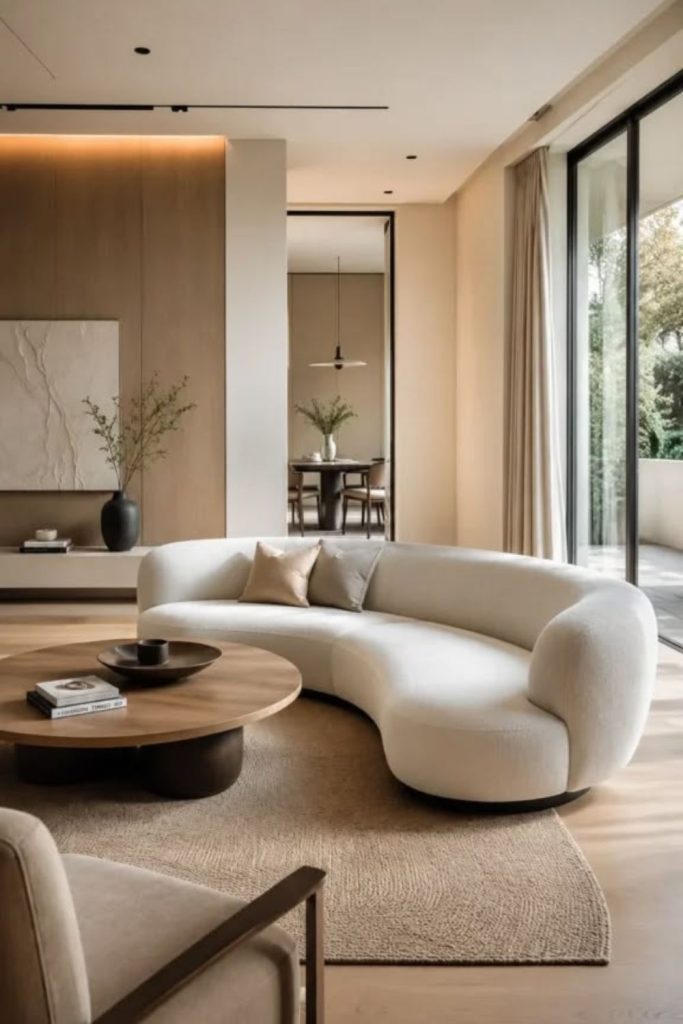
Curved furniture introduces softer boundaries within angular broken plan architecture. A rounded sofa can naturally gather conversation without creating a rigid visual barrier.
Circular coffee tables reinforce this gentle geometry through layered silhouettes. Use a large round rug beneath seating for a cohesive lounge footprint.
Nearby walkways remain clear because rounded edges encourage smoother circulation. Add sculptural lamps for a playful yet sophisticated finishing touch.
8. Industrial Brick-Zone Living Room
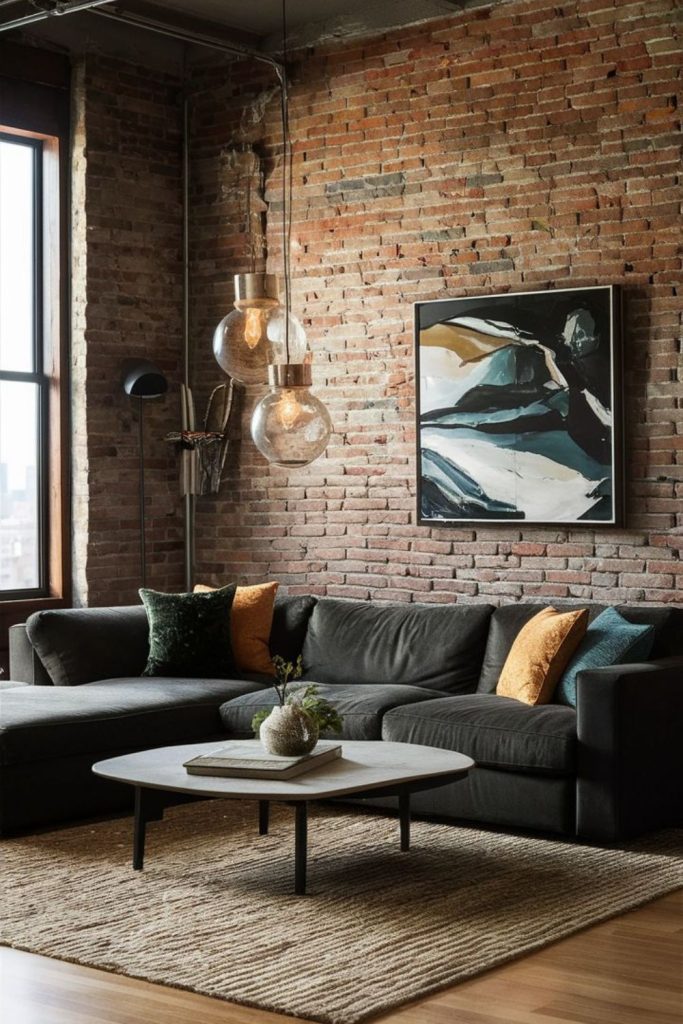
Exposed brick can establish a strong identity within a broken plan living area. Use one brick section as an architectural backdrop rather than covering every surface.
Leather seating and black metal tables complement this rugged foundation beautifully. A textured rug softens harder materials while defining a comfortable lounge pocket.
Timber shelving can bridge industrial character with warmer domestic details. Pendant bulbs complete this loft-inspired arrangement with understated attitude.
9. Soft Neutral Family Hub
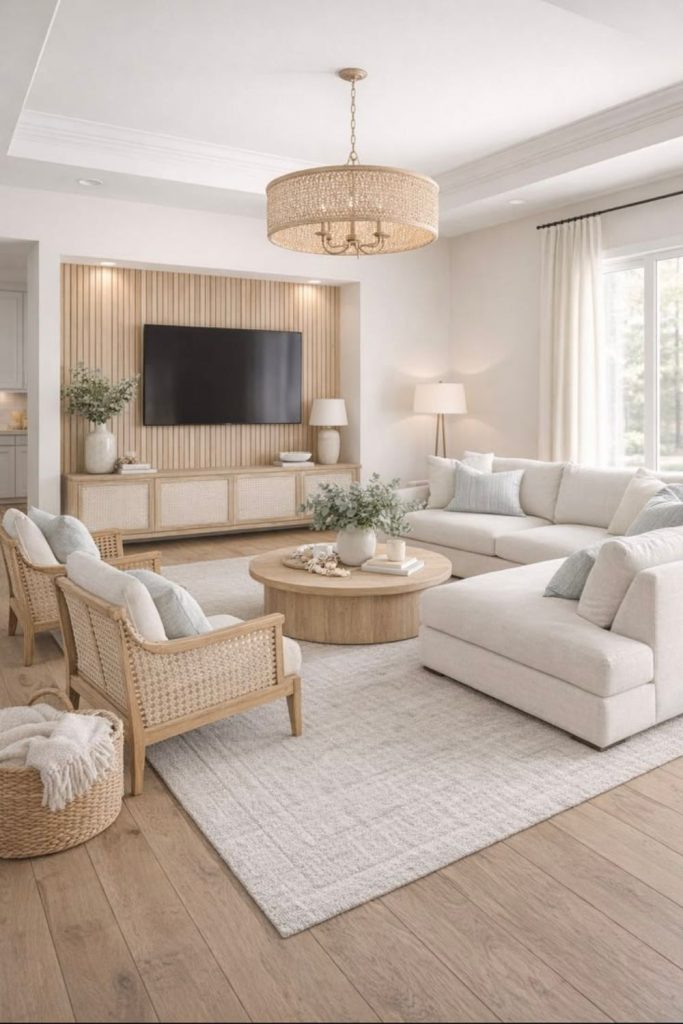
Neutral colors create an adaptable foundation for busy broken plan family rooms. Cream sofas paired with oatmeal textiles produce a welcoming visual softness.
Use a large rug beneath seating for practical definition within an open layout. A console behind a sofa can subtly mark transition between living and dining zones.
Storage baskets keep everyday clutter contained without interrupting visual continuity. Add durable fabrics for a room that remains stylish through daily family life.
10. Moody Charcoal Lounge
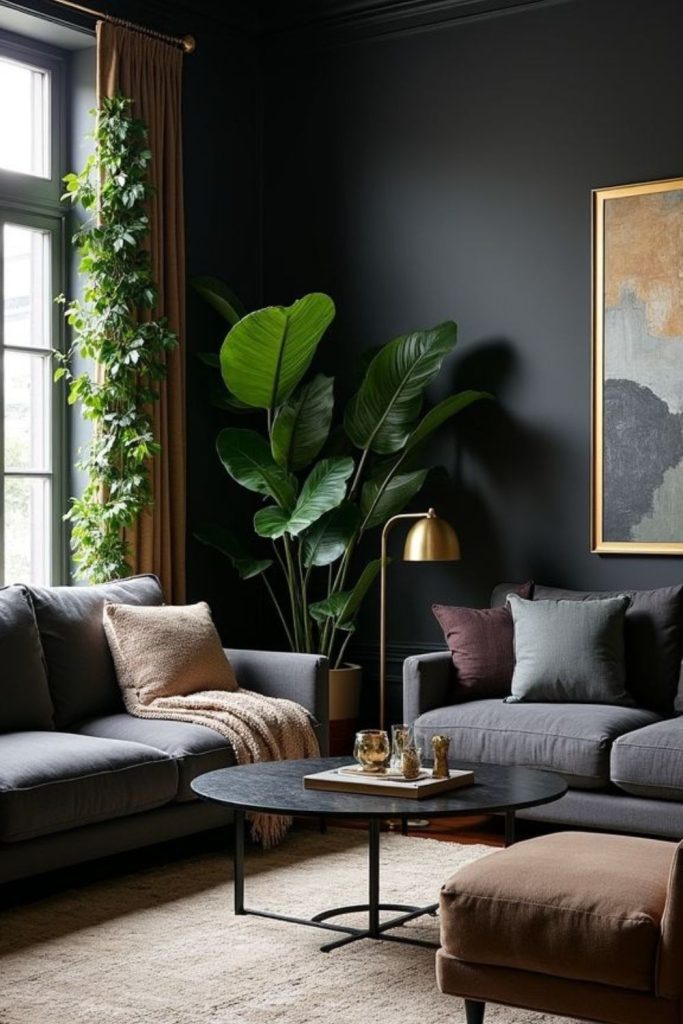
Deep charcoal can transform a broken plan living room into a dramatic retreat. Balance darker walls with warm timber, creamy upholstery and softly reflective surfaces.
A substantial sectional establishes clear territory without requiring a physical partition. Black-framed artwork strengthens architectural rhythm across adjoining spaces.
Warm lamps prevent darker finishes from feeling overly stark during nighttime. A few lighter accessories provide just enough contrast for visual breathing room.
11. Biophilic Broken Plan Retreat
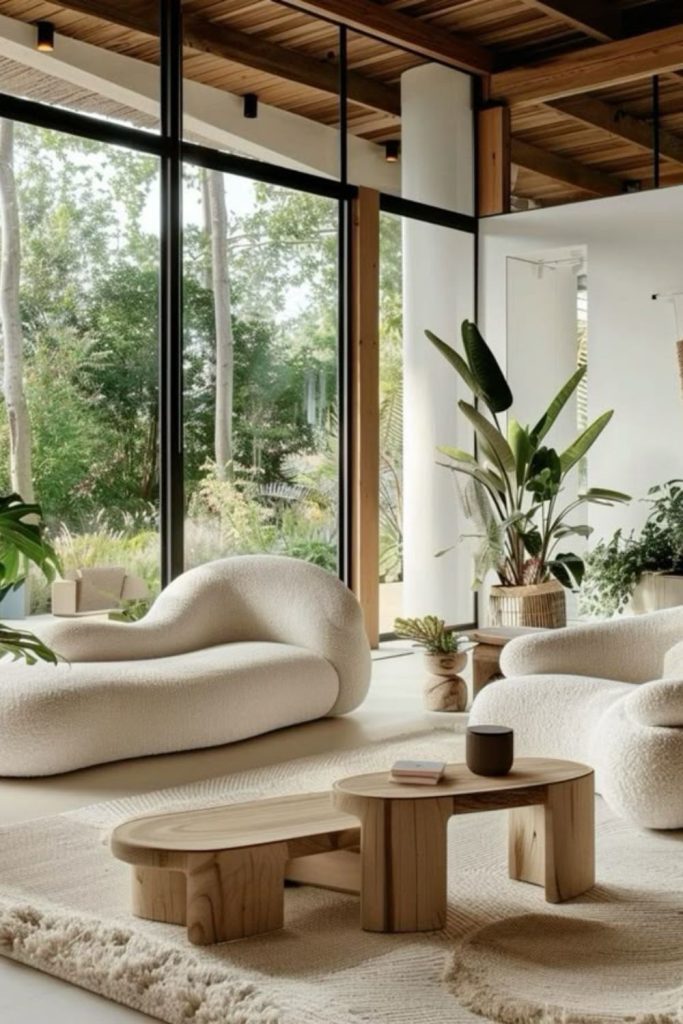
Plants can act as living partitions while maintaining an airy connection between zones. Tall palms or rubber plants create gentle screening around seating areas.
Pair lush greenery with natural stone, rattan and unfinished timber for organic cohesion. A neutral sofa keeps attention focused upon varied foliage and tactile materials.
Use plant stands at different heights for a more dynamic layered arrangement. This approach brings refreshing garden energy into contemporary interiors.
12. Built-In Library Living Zone
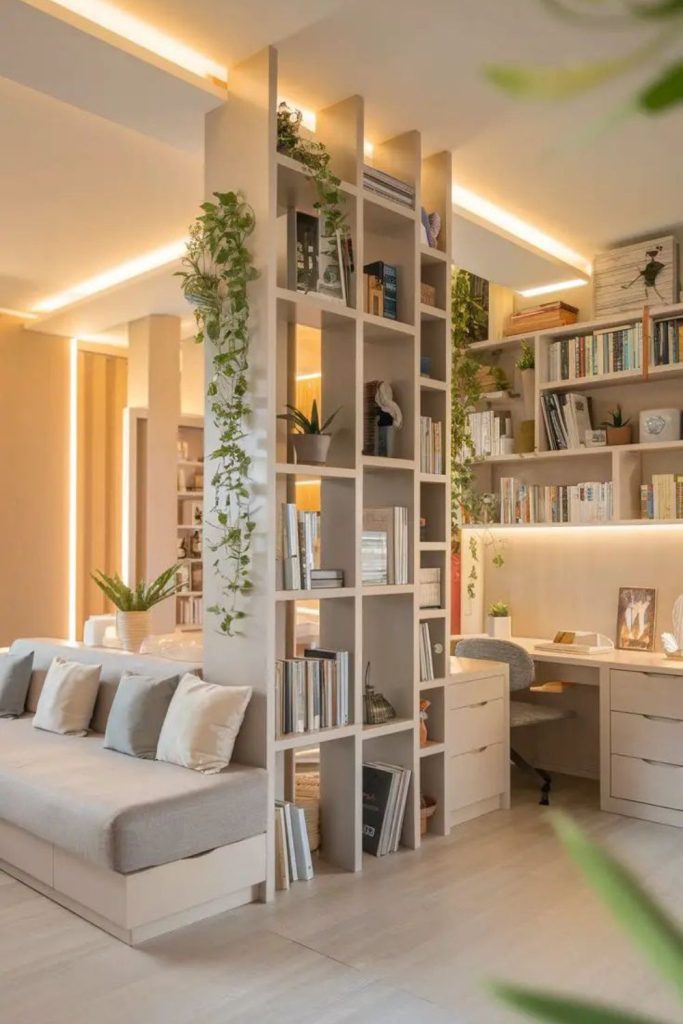
A full-height bookcase can create architectural focus within a broken plan arrangement. Position shelving behind a sofa for an effortless division between connected functions.
Built-in cabinetry offers useful storage while visually grounding an expansive room. Mix books with ceramics, framed artwork and small sculptural objects.
Keep central furniture low so shelves remain prominent without becoming visually heavy. Warm integrated lighting can make this library-inspired corner especially inviting.
13. Minimalist Concrete Lounge
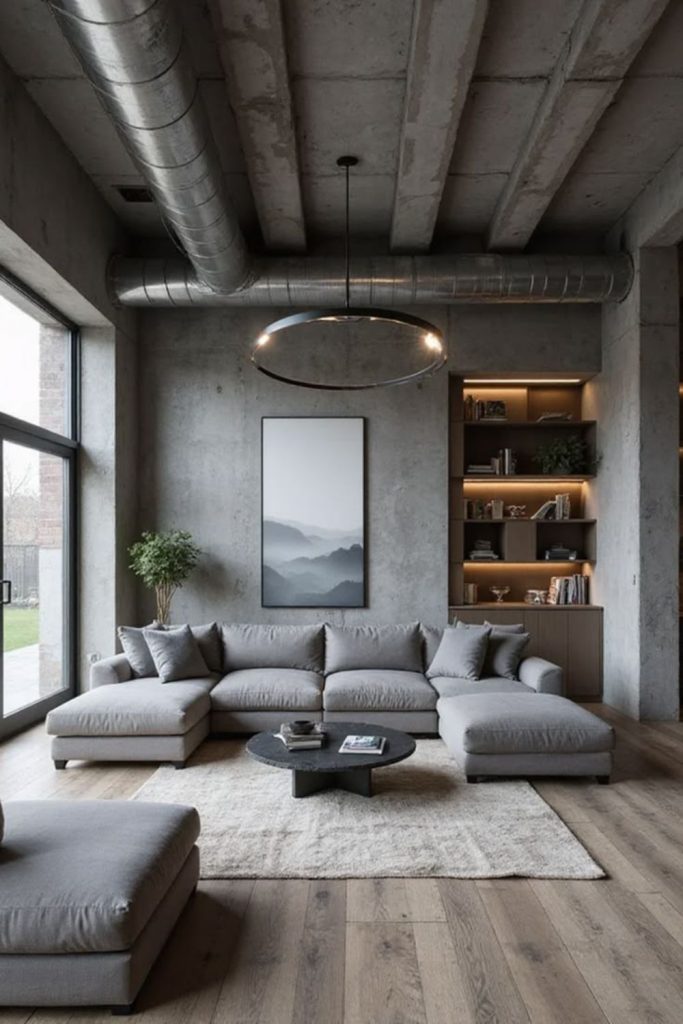
Concrete finishes lend broken plan interiors a cool architectural edge. Soften their industrial character with boucle seating, pale timber and textured fabrics.
A simple sectional can define one zone while maintaining generous circulation around it. Choose sculptural accessories sparingly for a cleaner visual composition.
Large windows can provide natural contrast against mineral-inspired surfaces. Warm lighting becomes essential during evenings within this pared-back environment.
14. Mid-Century Conversation Corner
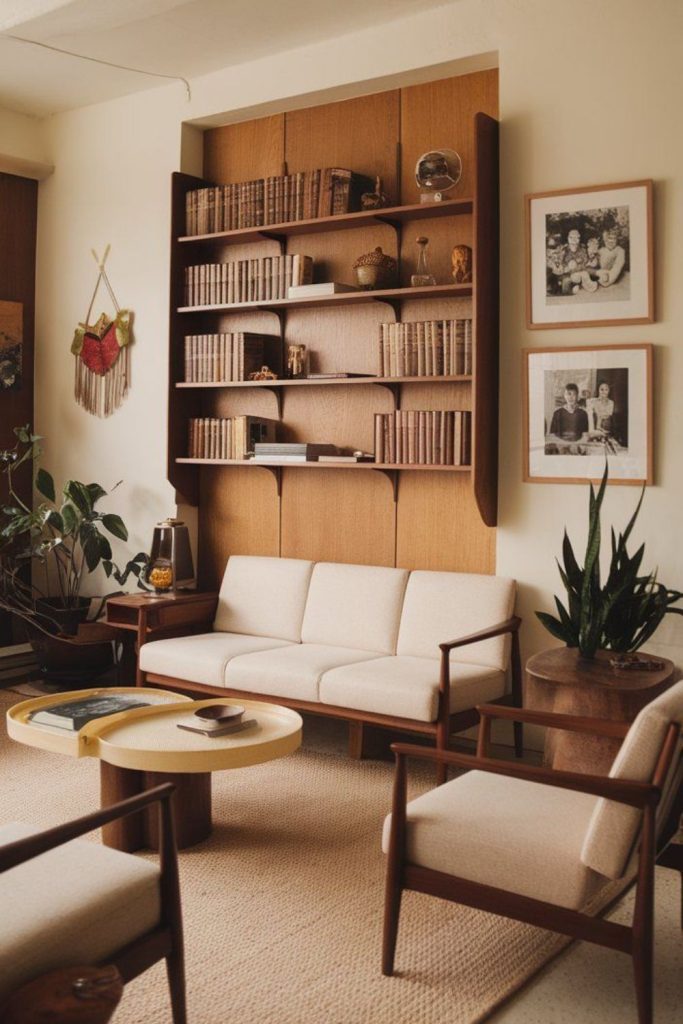
Mid-century furniture brings distinctive personality without overwhelming a broken plan layout. Choose tapered timber legs, curved silhouettes and understated geometric upholstery.
A compact sofa can face two lounge chairs for an intimate conversational arrangement. A credenza behind seating offers storage while quietly separating adjoining functions.
Muted mustard, rust or forest accents provide authentic retro character. Keep accessories selective for a refined rather than overly nostalgic finish.
15. Luxe Marble Statement Lounge
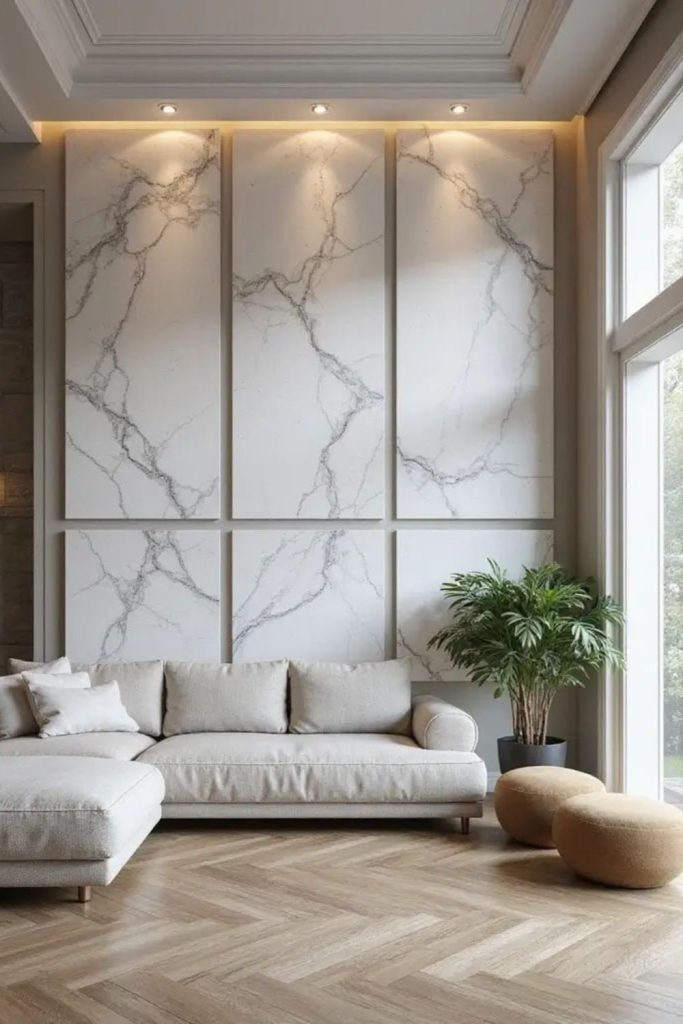
Marble details can elevate a broken plan living room with sophisticated visual drama. A marble-topped coffee table provides a strong focal point without occupying excessive space.
Pair polished surfaces with velvet seating for tactile contrast and richer depth. Use brass accents sparingly across lighting, furniture or decorative objects.
A large neutral rug prevents glamorous finishes from feeling too cold. Maintain open pathways around furniture for effortless movement between connected zones.
16. Coastal Breezy Living Space
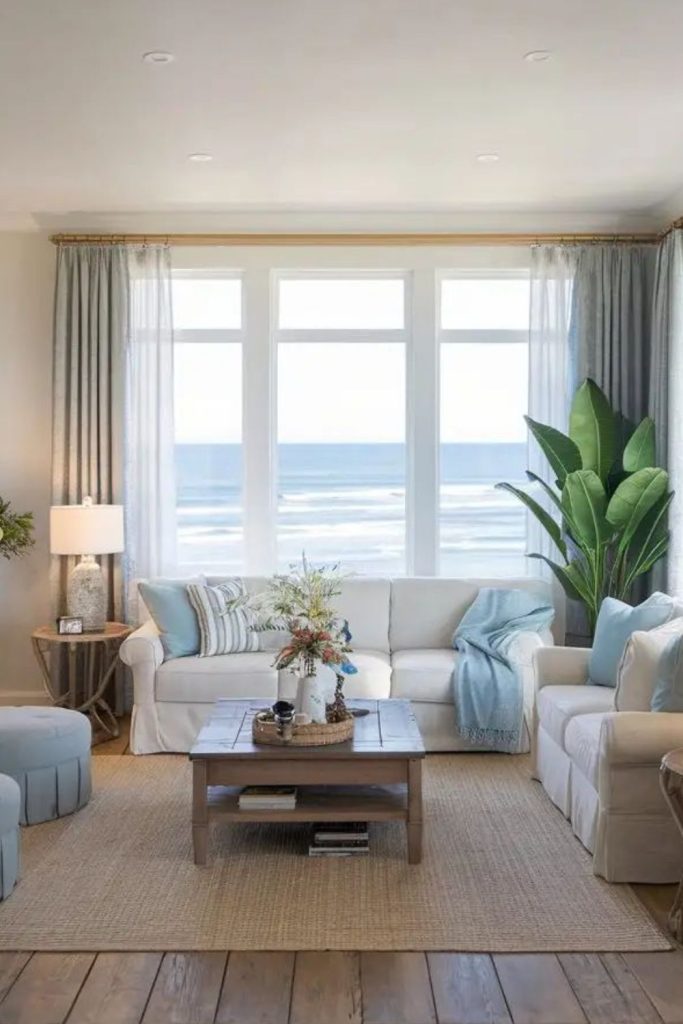
Coastal styling makes broken plan interiors feel light, relaxed and naturally expansive. Use sandy beige, soft blue and weathered timber for a breezy palette.
A linen sofa establishes a casual lounge while preserving visual openness. Woven pendants and rattan accents add coastal texture without excessive ornamentation.
Place a narrow console near transitional areas for subtle spatial definition. Finish with airy curtains that allow daylight to travel throughout adjoining zones.
17. Color-Blocked Contemporary Zone
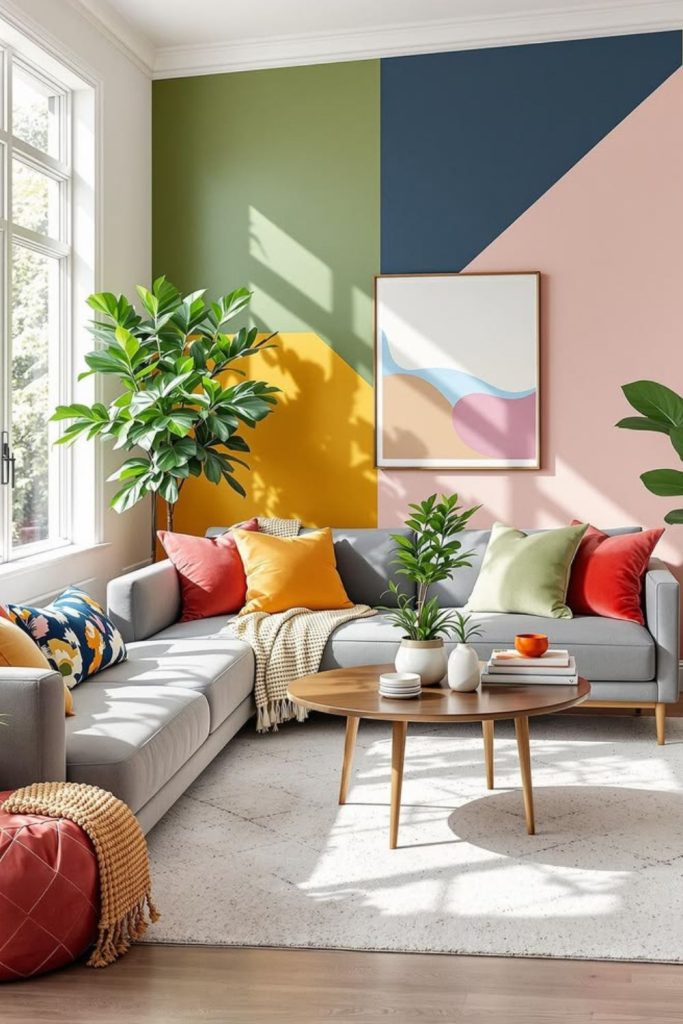
Strategic color blocking can define separate areas without constructing physical walls. Choose one accent shade for a lounge wall or architectural section.
Repeat that hue through cushions, artwork or a nearby accent chair. Keep larger furniture neutral so color remains purposeful rather than chaotic.
Geometric rugs can reinforce boundaries between living and dining functions. This technique feels energetic while retaining a polished contemporary character.
18. Arched Transition Lounge
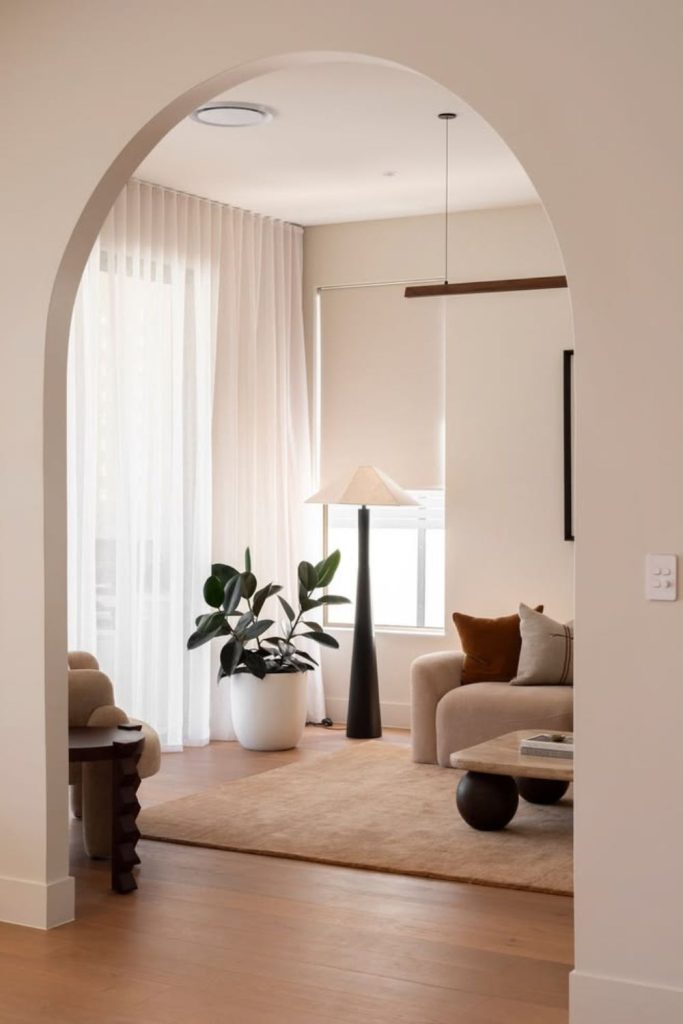
Arched architectural details soften transitions between adjoining broken plan areas. An existing arch can frame a seating zone while maintaining uninterrupted visual connection.
Repeat curved forms through mirrors, chairs and rounded coffee tables. Warm plaster tones enhance architectural softness while remaining sophisticated.
A compact sectional can nestle naturally within this gently framed arrangement. Add ambient lighting around arches for heightened evening atmosphere.
19. Rustic Modern Gathering Space
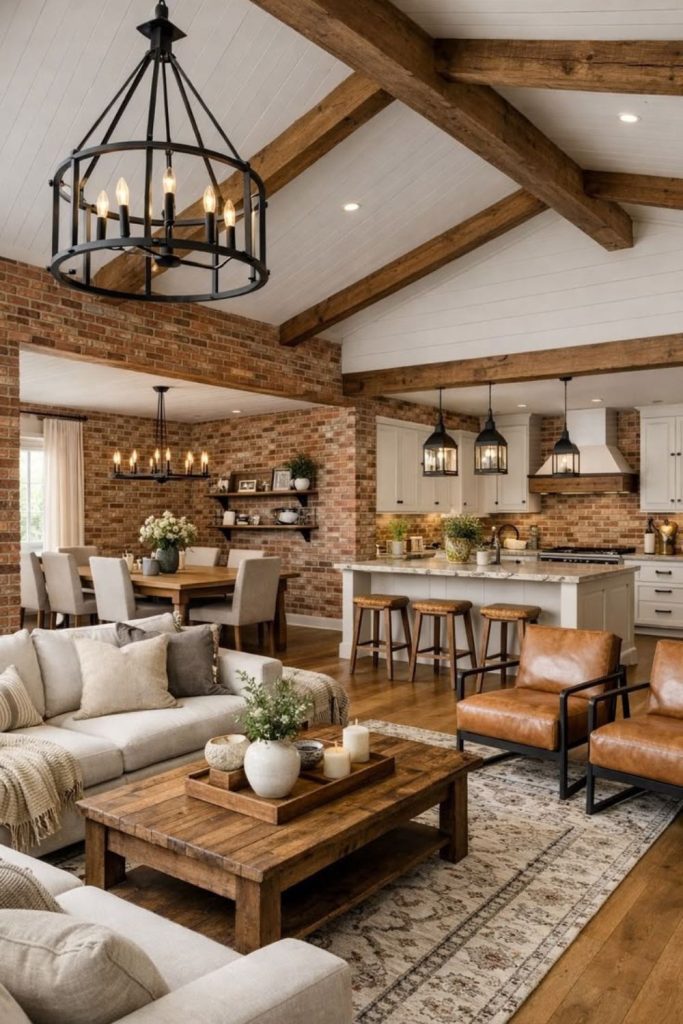
Rustic materials bring warmth and character into a spacious broken plan living room. Combine reclaimed timber with contemporary upholstery for a balanced modern-rustic look.
A substantial wooden coffee table can anchor family gatherings beautifully. Stone accessories and woven textiles deepen tactile richness throughout this setting.
Keep adjoining areas visually connected through repeated timber tones and neutral shades. A few imperfect finishes add charm without making styling appear unfinished.
20. Soft Pink Modern Lounge
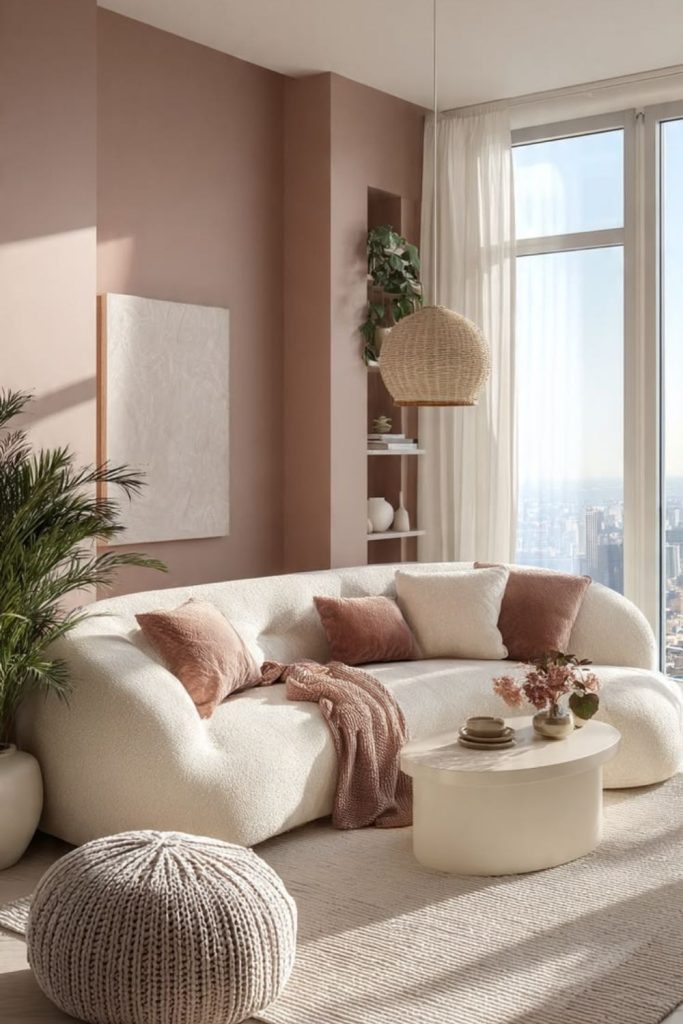
Dusty blush tones can introduce unexpected elegance into a broken plan interior. Use pink selectively through upholstery, cushions or a painted architectural feature.
Pair blush shades with cream, walnut and muted brass for sophisticated balance. A curved sofa creates a graceful focal point within an open arrangement.
Keep neighboring zones neutral so soft color remains visually distinctive. Fresh flowers or abstract artwork can complete this quietly glamorous scheme.
21. Black-and-Wood Contrast Room
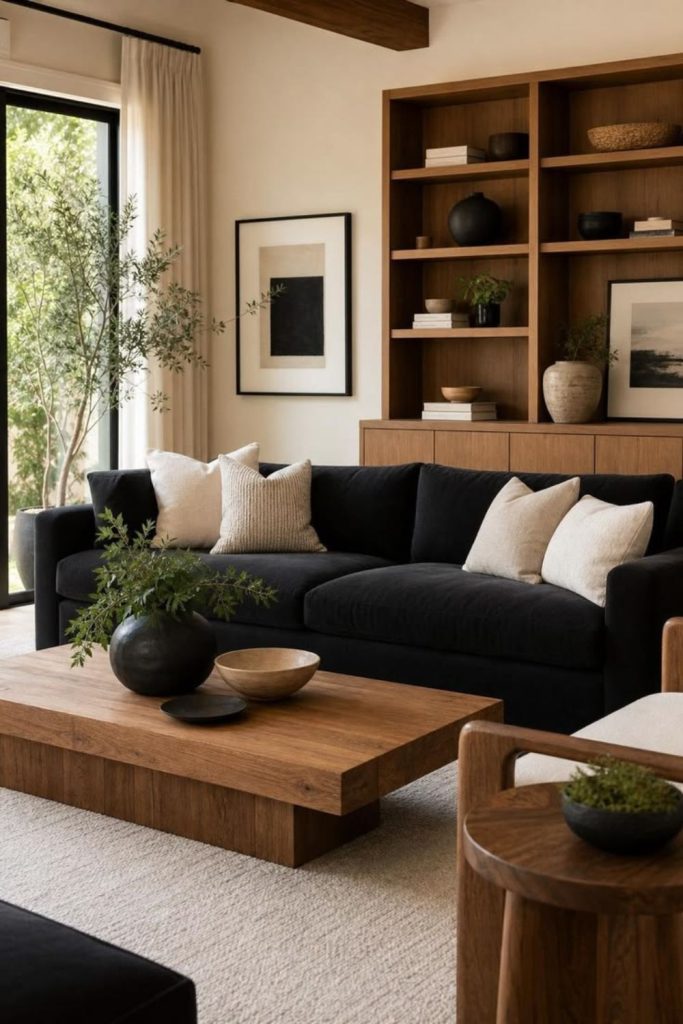
Black accents create strong definition while warm wood prevents excessive visual severity. Use a charcoal sofa against lighter walls for immediate architectural contrast.
Timber flooring or cabinetry can visually connect separate areas across a broken plan layout. A black-framed console offers subtle separation without obstructing sightlines.
Layer cream textiles for softness against darker furniture and fittings. This combination feels confident, modern and remarkably versatile.
22. Hidden Bar Connection
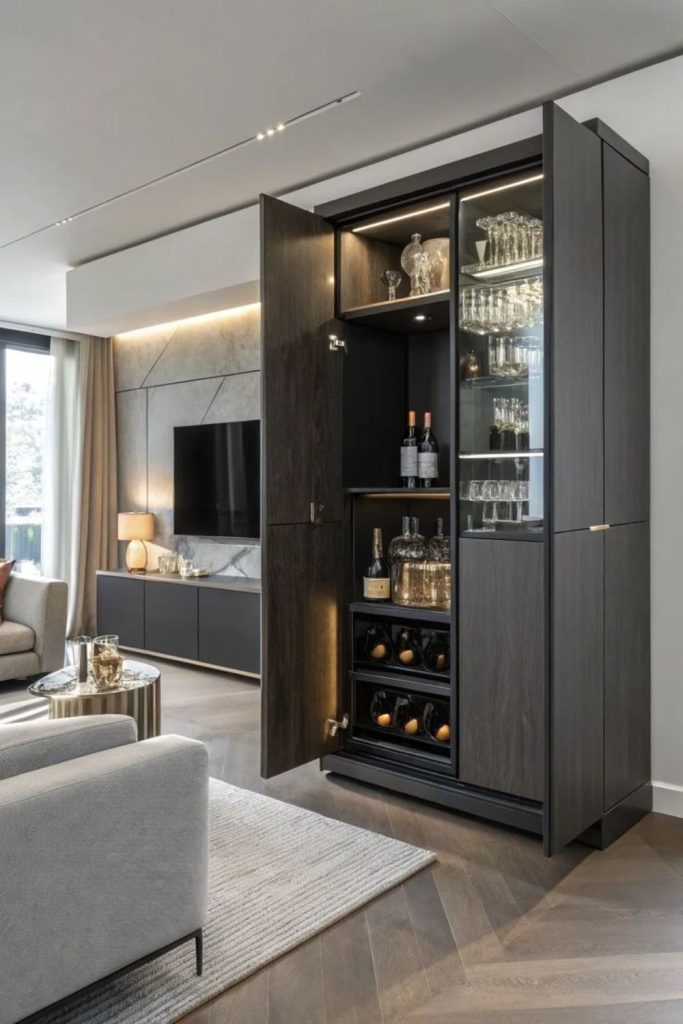
A compact home bar can become a clever transition point within broken plan living. Position cabinetry between lounge and dining zones for practical spatial definition.
Fluted wood doors allow bar storage to disappear when entertaining ends. Open shelving can display glassware while adding vertical interest.
Use matching cabinetry finishes across nearby furniture for stronger architectural cohesion. Pendant lighting above a counter creates a polished hospitality-inspired atmosphere.
23. Sunlit Reading Nook
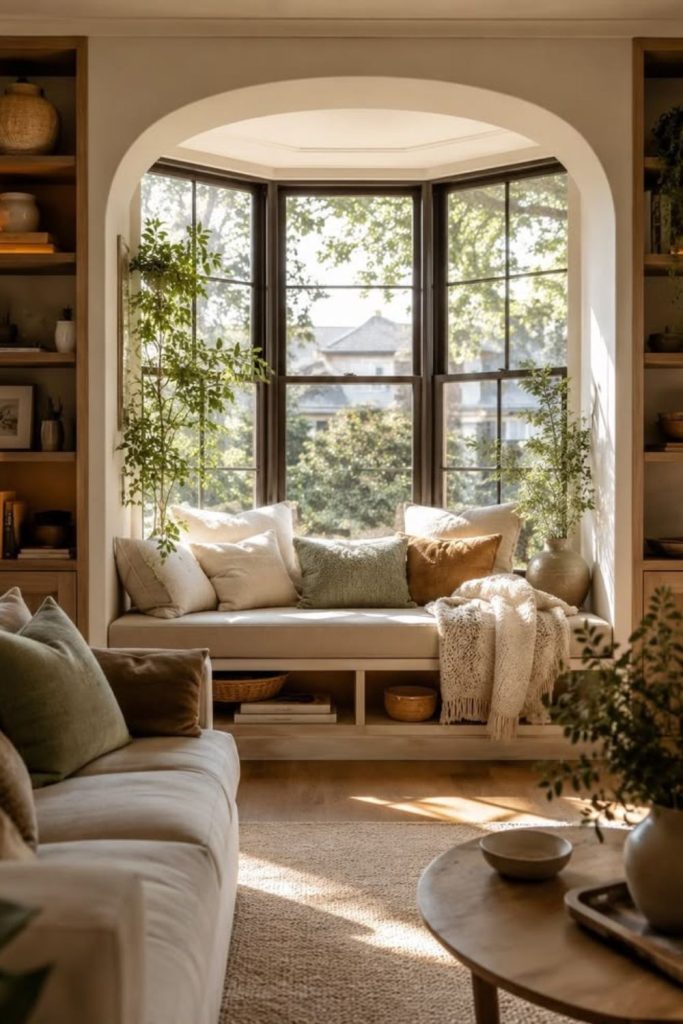
A reading nook can occupy an otherwise awkward corner within a broken plan room. Place a comfortable lounge chair beside a generous window for natural illumination.
A slim bookcase establishes territory without visually closing off surrounding spaces. Add a small side table for books, tea or decorative objects.
Layer a soft throw across seating for extra warmth during quieter moments. This tiny retreat adds function without disturbing broader circulation patterns.
24. Terracotta Modern Haven
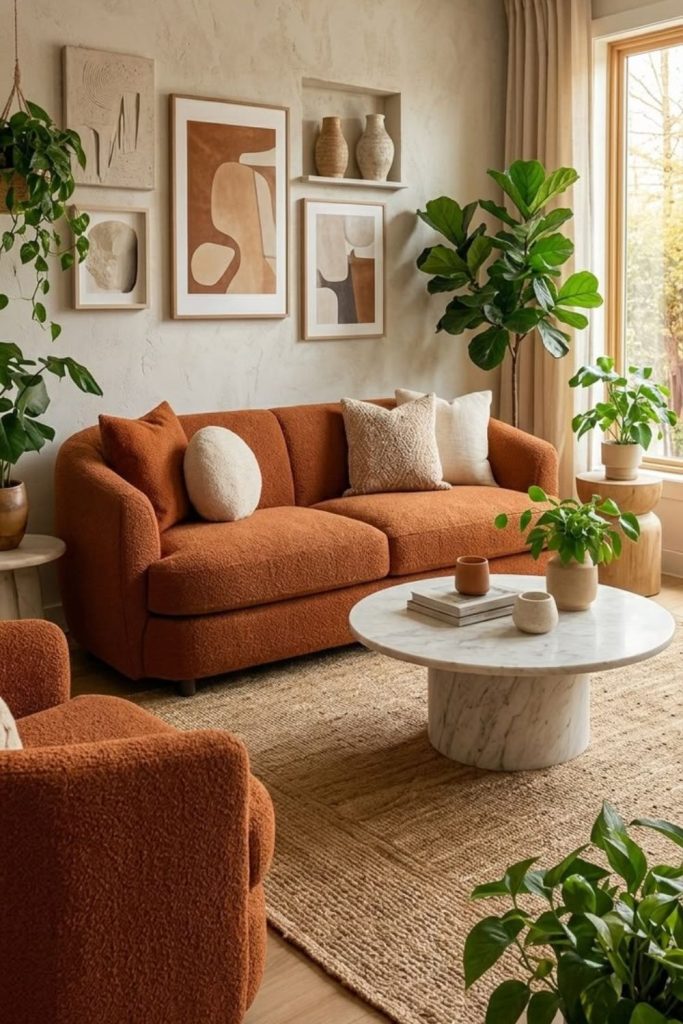
Terracotta introduces warmth and earthy sophistication into connected living spaces. Use clay-colored upholstery or a painted accent wall as a visual anchor.
Natural oak furniture balances richer hues while maintaining contemporary freshness. A textured rug can define seating without creating a hard spatial boundary.
Ceramic lamps and handmade vessels reinforce artisanal character beautifully. Keep adjacent dining areas within muted neutrals for seamless visual flow.
25. Scandinavian Partition Shelf
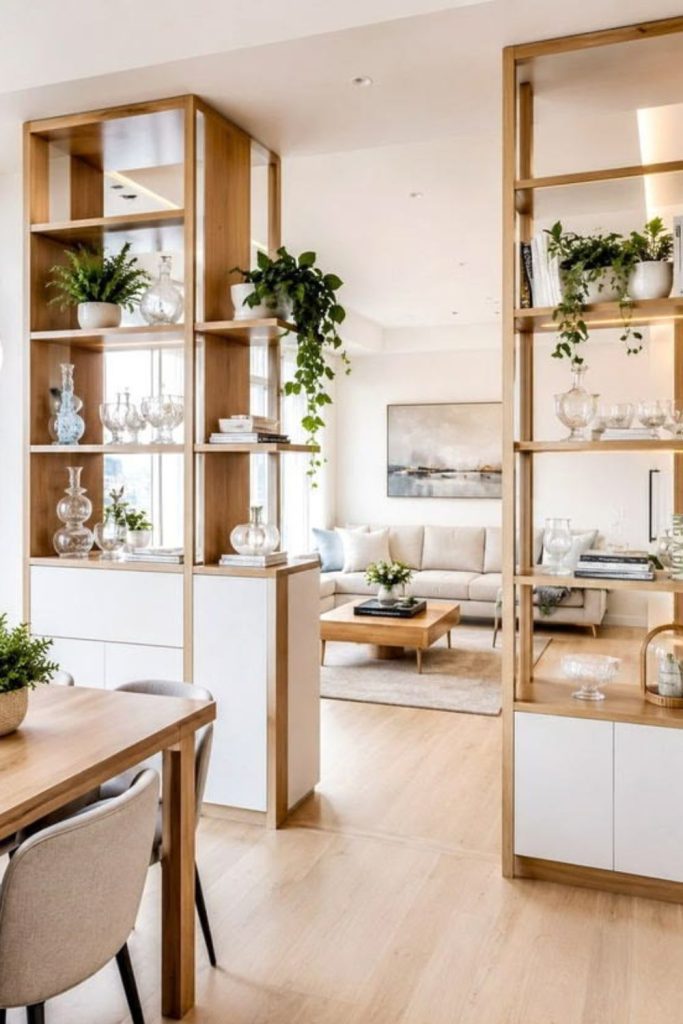
Open shelving offers one of simplest ways to divide a broken plan living room. Choose a slim timber unit that permits light and sightlines through every section.
Style shelves with books, pottery and greenery rather than dense ornamentation. A pale sofa and soft rug create a peaceful lounge directly beside shelving.
Keep circulation routes clear around both sides for improved practicality. This solution feels architectural without becoming visually cumbersome.
26. Velvet Jewel-Tone Lounge
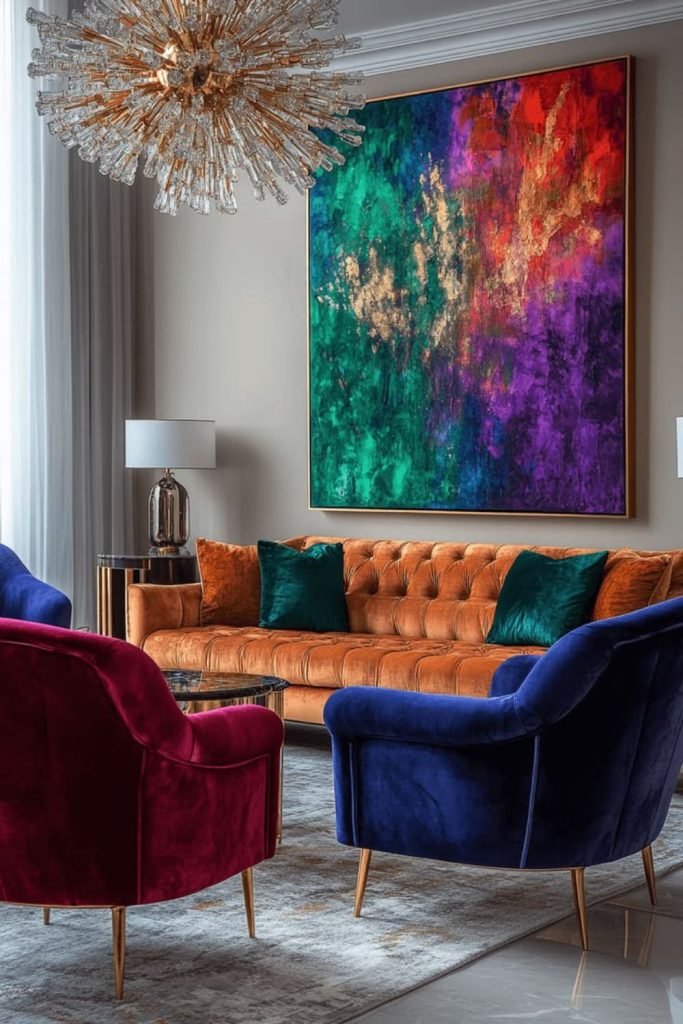
Jewel tones can give a broken plan living room a sumptuous boutique-hotel mood. Emerald, sapphire or deep plum upholstery creates an immediate statement.
Balance saturated seating with warm cream walls and natural timber furniture. A patterned rug can unite dramatic colors while defining a dedicated lounge area.
Metallic accents introduce restrained shimmer around lamps and occasional tables. Use daylight strategically so rich shades retain depth rather than appearing heavy.
27. Double-Sofa Social Layout
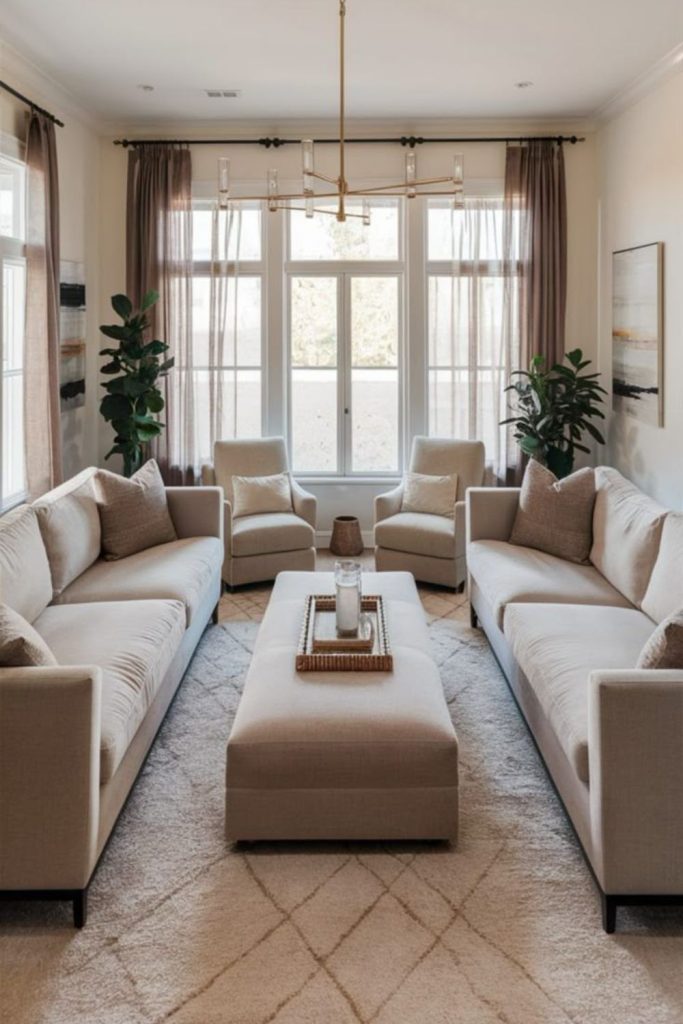
Two facing sofas can transform a broken plan room into an inviting social hub. Position seating around a central table for easy conversation during gatherings.
A large rug visually gathers furniture while leaving surrounding circulation comfortably open. Place a console behind one sofa for subtle separation between neighboring functions.
Matching upholstery creates cohesion while varied cushions prevent visual monotony. This arrangement works especially well for households that frequently entertain guests.
28. Organic Modern Flow
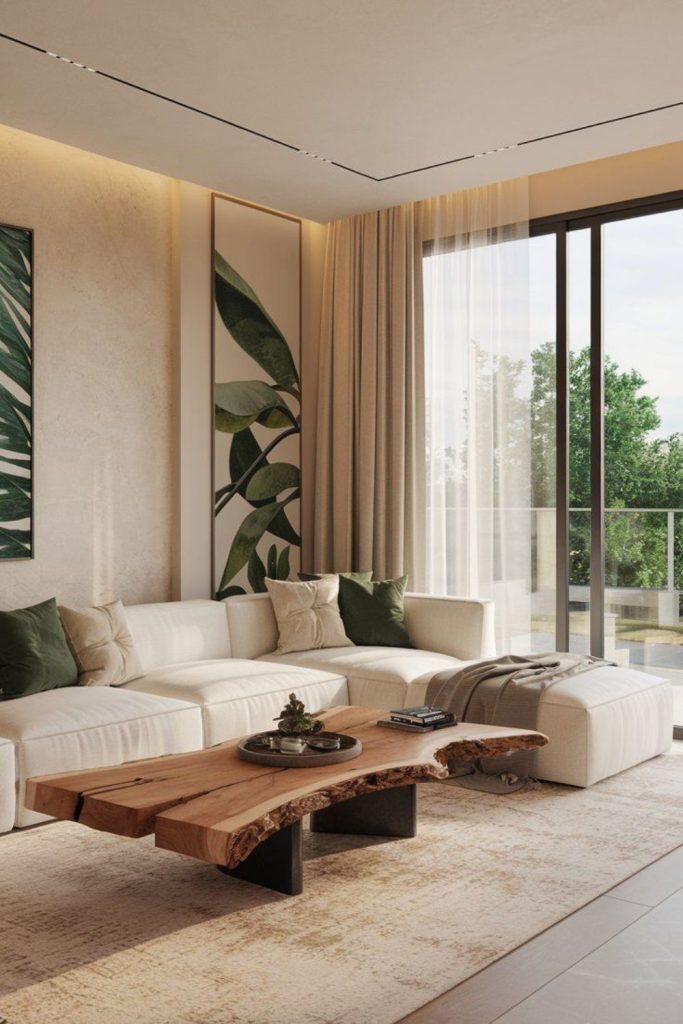
Organic modern styling blends sculptural forms with natural materials and muted colors. Choose curved seating, limestone-inspired surfaces and lightly grained timber furniture.
A broad rug anchors lounge furniture without interrupting nearby pathways. Irregular ceramics and abstract artwork introduce artistic movement around clean architecture.
Use warm off-whites instead of stark shades for a softer atmosphere. This room feels contemporary while retaining an earthy, lived-in soul.
29. Compact Apartment Broken Plan
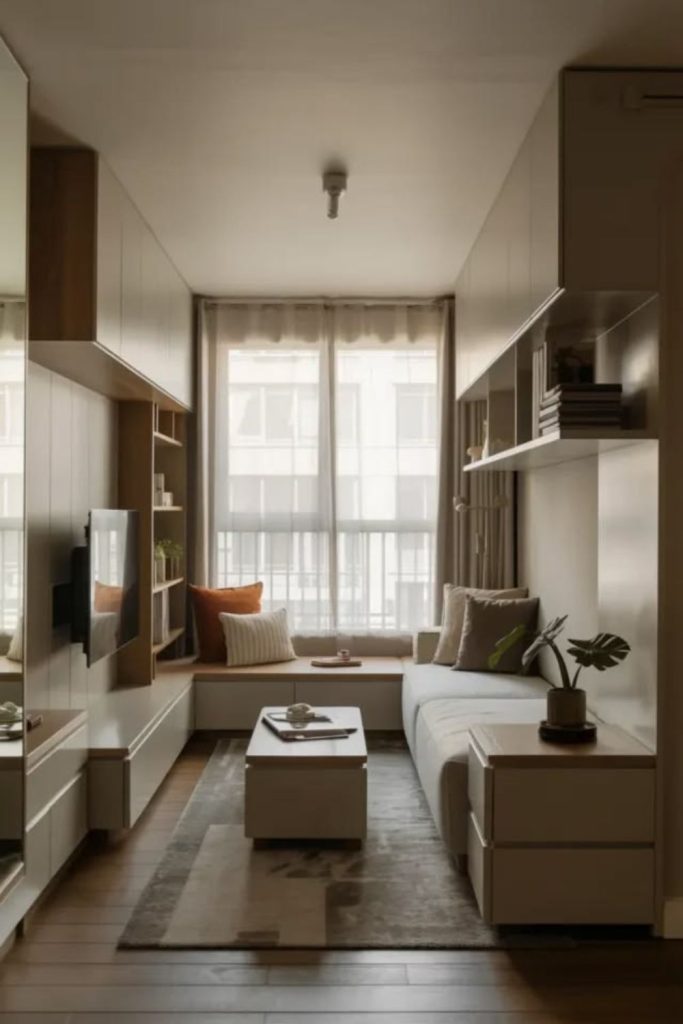
Small apartments can benefit greatly from clever broken plan zoning. Choose furniture with slender profiles so every pathway remains comfortable.
A compact sofa can face a narrow media console without overwhelming surrounding functions. Use rugs, pendant lights and furniture orientation for visual separation instead of walls.
Mirrored surfaces can amplify daylight across connected living and dining areas. Multifunctional storage keeps this compact arrangement surprisingly polished and practical.
30. Sophisticated Hotel-Inspired Lounge
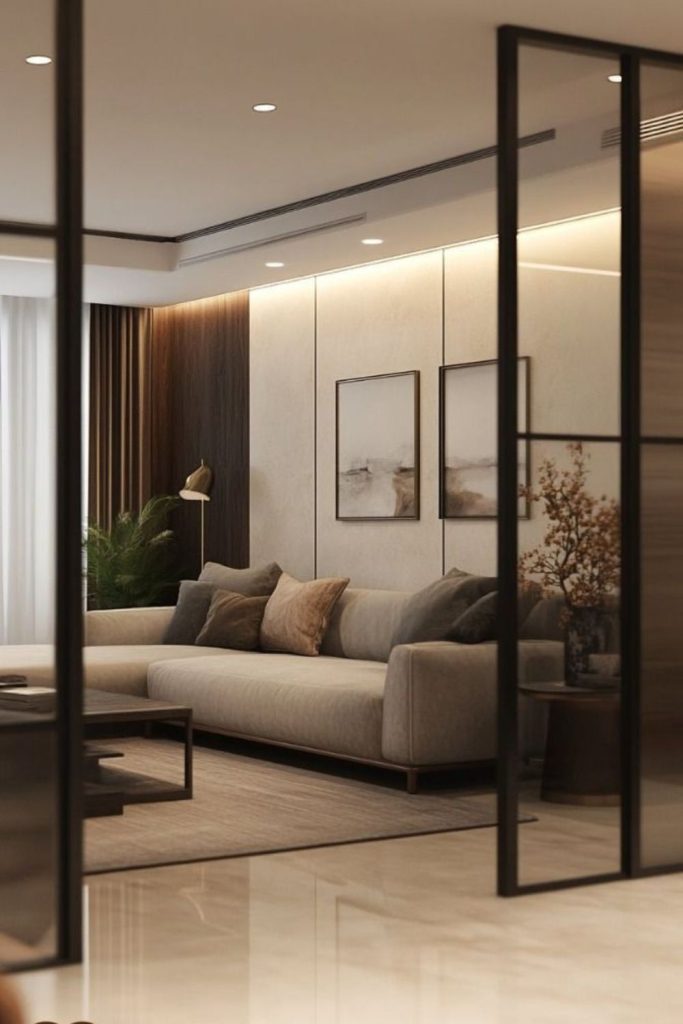
A hotel-inspired living room brings polished comfort into a broken plan setting. Use plush seating, layered lighting and restrained neutral colors for timeless appeal.
A sculptural coffee table becomes a central focal point within a generous lounge zone. Console tables can quietly define transitions while preserving broad sightlines.
Mix velvet, boucle, timber and stone for an upscale tactile palette. Finish with oversized artwork and ambient lamps for a memorable designer-like atmosphere.